Azure Kubernetes Service: An Overview
Azure Kubernetes Service (AKS) is a managed Kubernetes service that can be used to deploy and manage containerized applications. A minimal container orchestration is required for AKS usage. AKS reduces the complexity and operational overhead of managing Kubernetes by offloading much of that responsibility to Azure. AKS is an ideal platform for deploying and managing containerized applications that require high availability, scalability, and portability, and for deploying applications to multiple regions, using open-source tools, and integrating with existing DevOps tools.
AKS reduces the complexity and operational overhead of managing Kubernetes by shifting that responsibility to Azure. When an AKS cluster is created, Azure automatically creates and configures a control plane at no cost. The Azure platform manages the AKS control plane, which is responsible for the Kubernetes objects and worker nodes that were deployed to run the applications. Azure takes care of critical operations like health monitoring and maintenance.
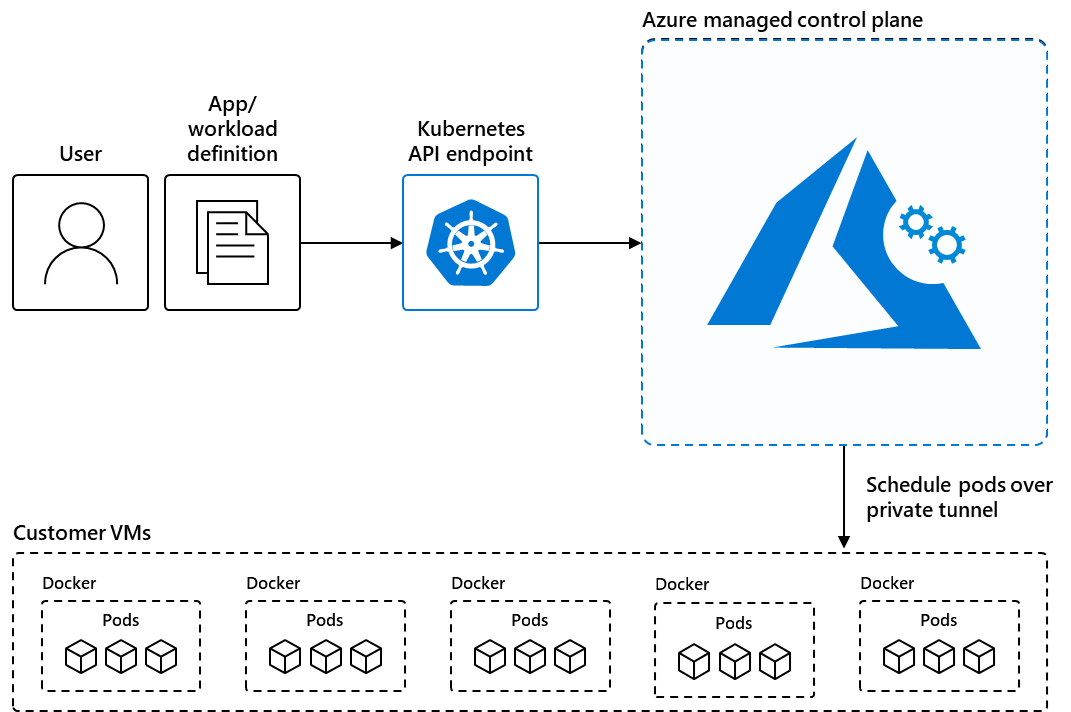
Figure 1 : Overview of Azure Kubernete Services
Why Monitor Azure Kubernetes Service?
If the kubelet on the Azure Kubernetes Service cluster fails to create a desired object - say, a Pod - then the desired state of the cluster will not be restored. Likewise, if a Pod running a critical application/service suddenly goes down, and the kubelet fails to restart that Pod or create another one in its stead, then again the actual state will not be in sync with the desired state. Under such circumstances, containerized applications and services may be rendered unavailable to end-users. Since Azure Kubernetes Service clusters widely used in mission-critical environments - eg.,microservices, DevOps, serverless computing, and multi-cloud environments - for processing business-critical workloads, the non-availability of applications can adversely impact productivity and business continuity. Monitoring Azure Kubernetes Service (AKS) cluster is crucial for ensuring its health, performance, and security, allowing the administrators to proactively identify and address issues like container failures, network problems, and resource overutilization. To avoid this, administrators must closely monitor the status of the objects managed and operations performed by Azure Kubernetes Service cluster, proactively capture abnormalities, and resolve them well before end-users notice.